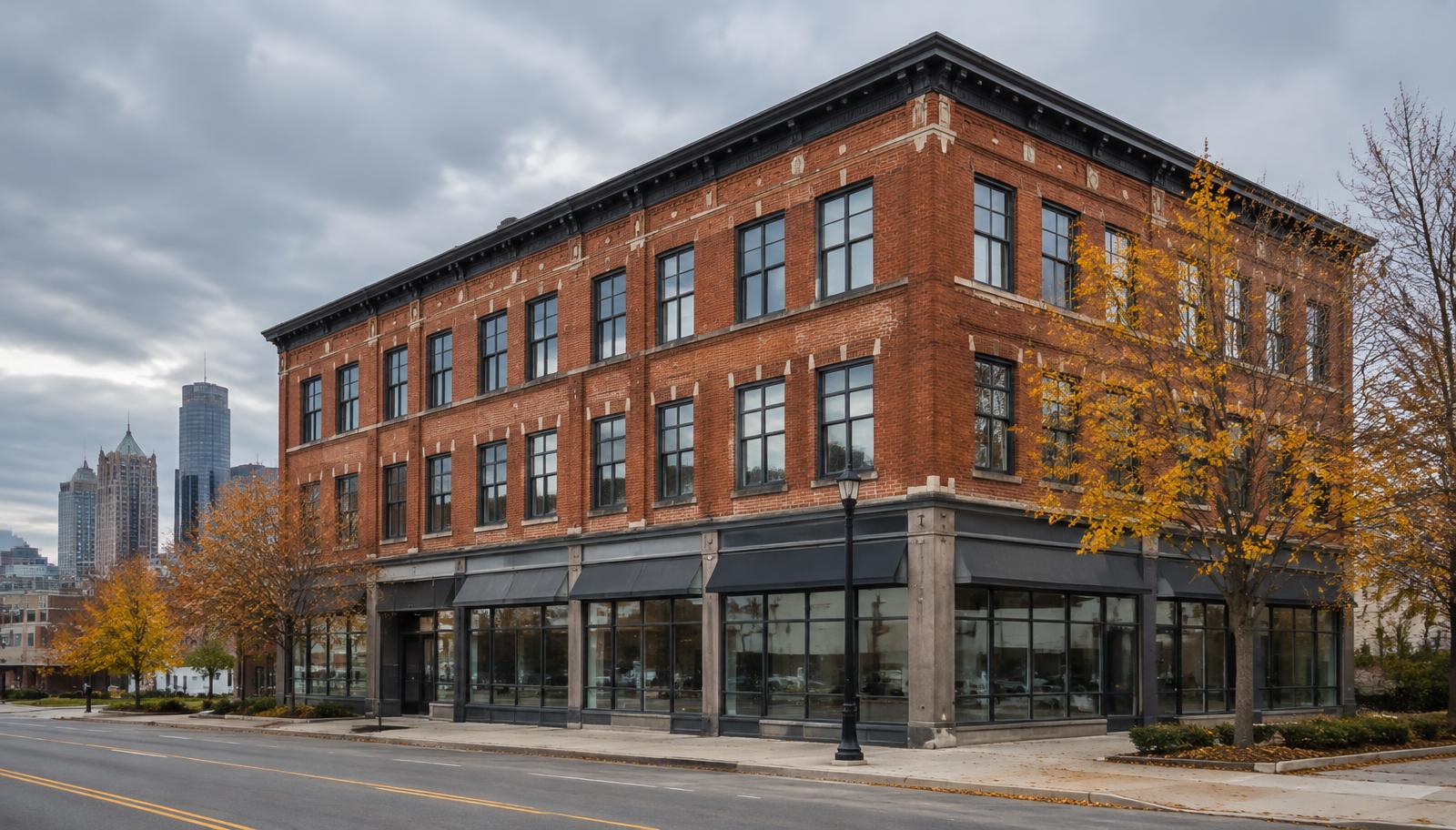
A commercial brick facade does more than shape the appearance of a building. It helps shield the structure from wind, rain, snow, and temperature changes. When mortar joints open or brick begins to crack, moisture can move deeper into the wall and create larger maintenance concerns.
For property managers and business owners throughout Metro Detroit and Southeast Michigan, addressing facade damage before the heart of winter can reduce emergency repairs and protect the building's exterior.
Where Commercial Facade Damage Often Starts
Problems frequently appear around window openings, parapets, rooflines, corners, downspouts, and areas where different building materials meet. These locations experience concentrated water exposure or movement.
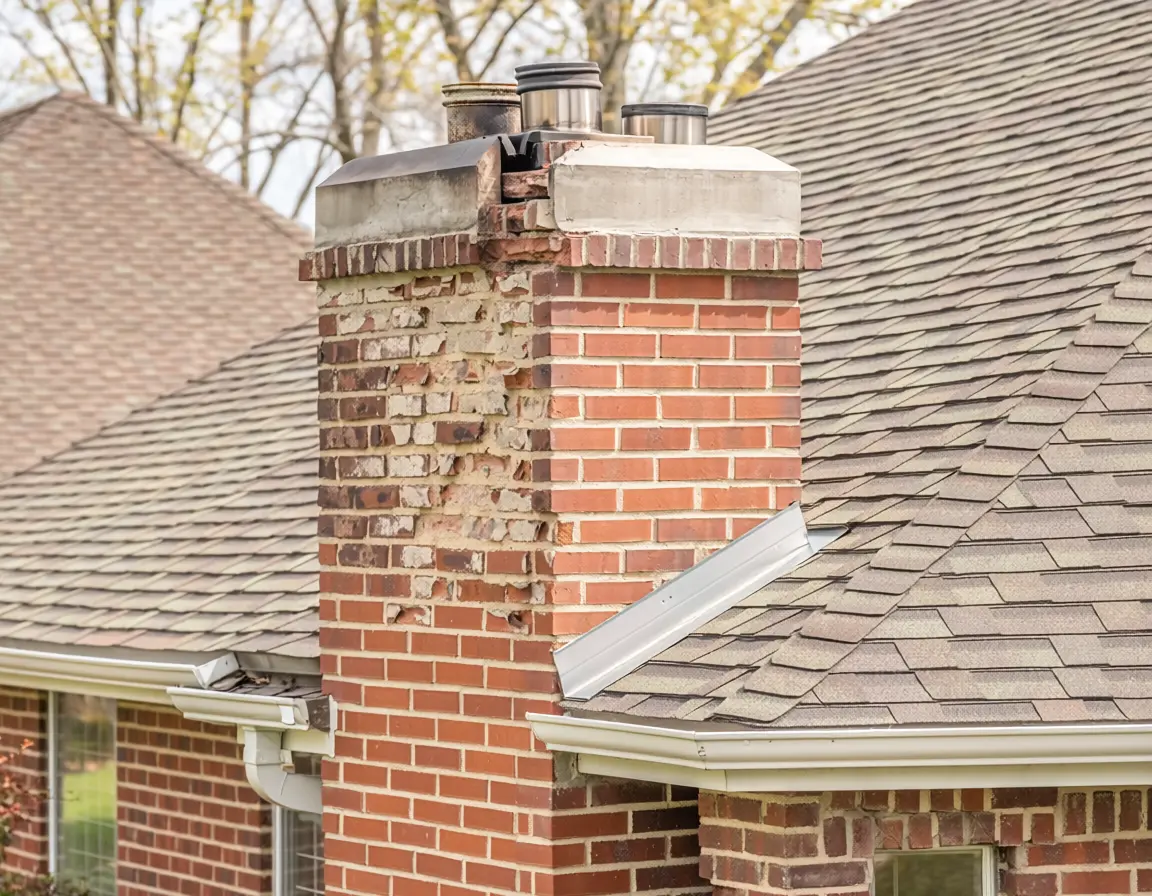
Early signs may include hairline cracks, recessed mortar, staining, isolated spalling, or small gaps that seem harmless from the ground. Over time, these openings can allow water farther into the wall system.
Why Freeze-Thaw Cycles Matter for Commercial Brick
Michigan winters repeatedly move temperatures above and below freezing. Moisture inside cracks and porous masonry expands when it freezes, which can widen joints and contribute to brick deterioration.
Commercial buildings often have larger wall areas and taller elevations than homes, so small maintenance issues can affect a significant amount of masonry if they are allowed to spread.
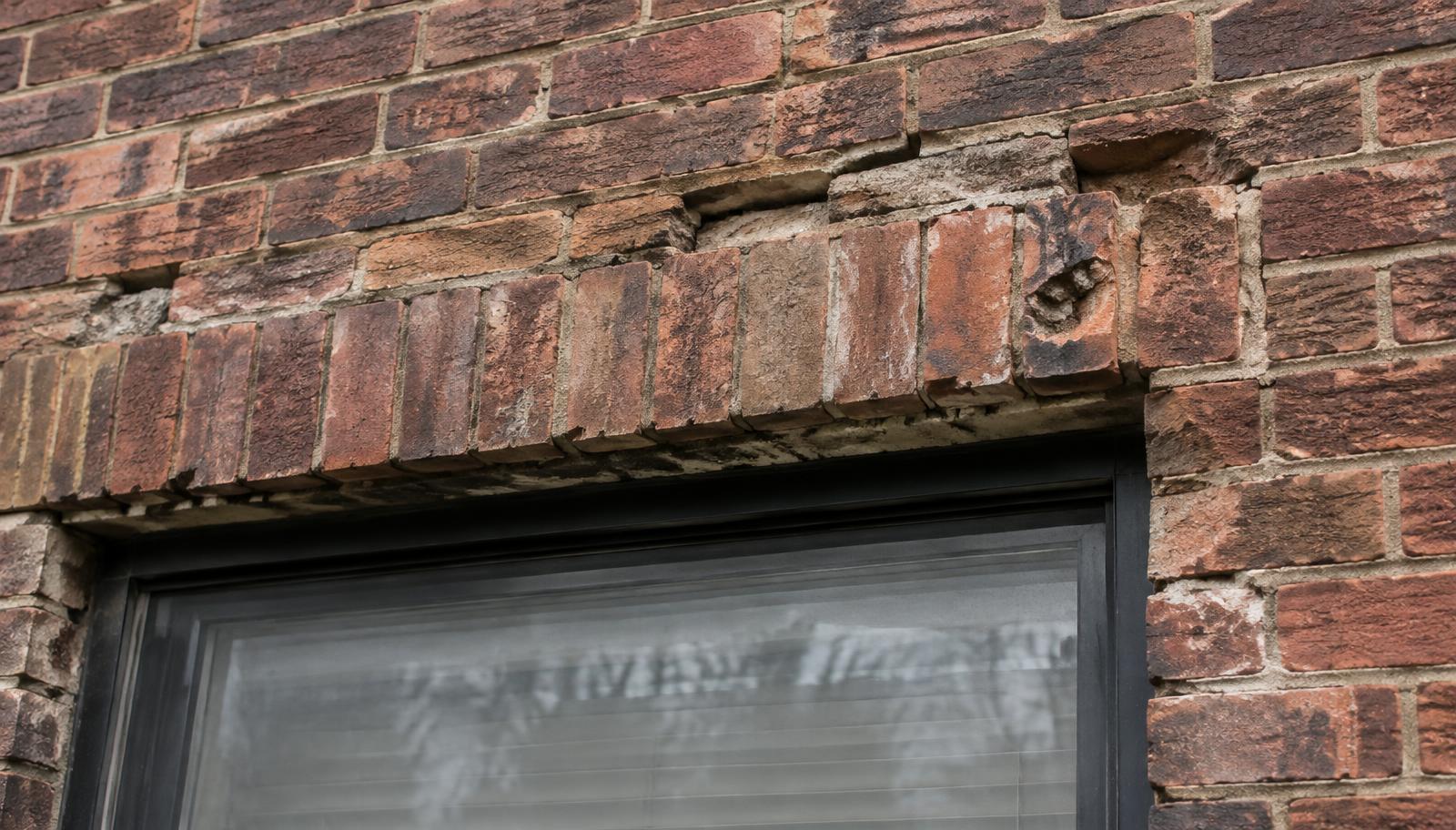
Tuckpointing and Brick Replacement Serve Different Needs
Tuckpointing addresses deteriorated mortar while preserving brick that remains in good condition. Brick replacement is used when individual units are cracked, spalled, loose, or otherwise too damaged to remain in place.
Many facade restoration projects use both methods. The important step is identifying which materials are actually failing instead of applying a surface patch across the entire area.
Planning Repairs Around Customers and Tenants
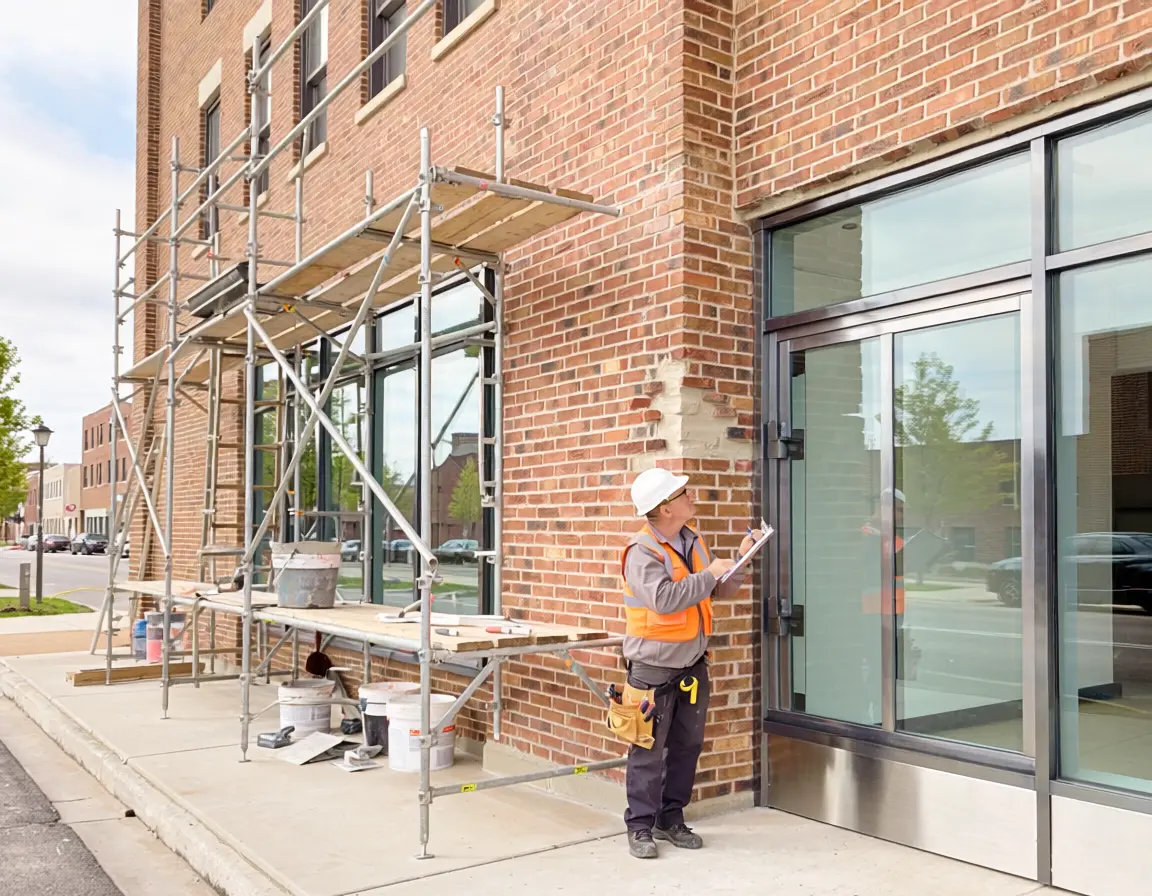
Commercial masonry work should account for entrances, sidewalks, parking, deliveries, tenant access, and other day-to-day operations. A clearly defined work area and schedule can reduce disruption while keeping people away from active repair zones.
For larger properties, masonry repairs may also be phased by elevation or priority so the most vulnerable areas are corrected first.
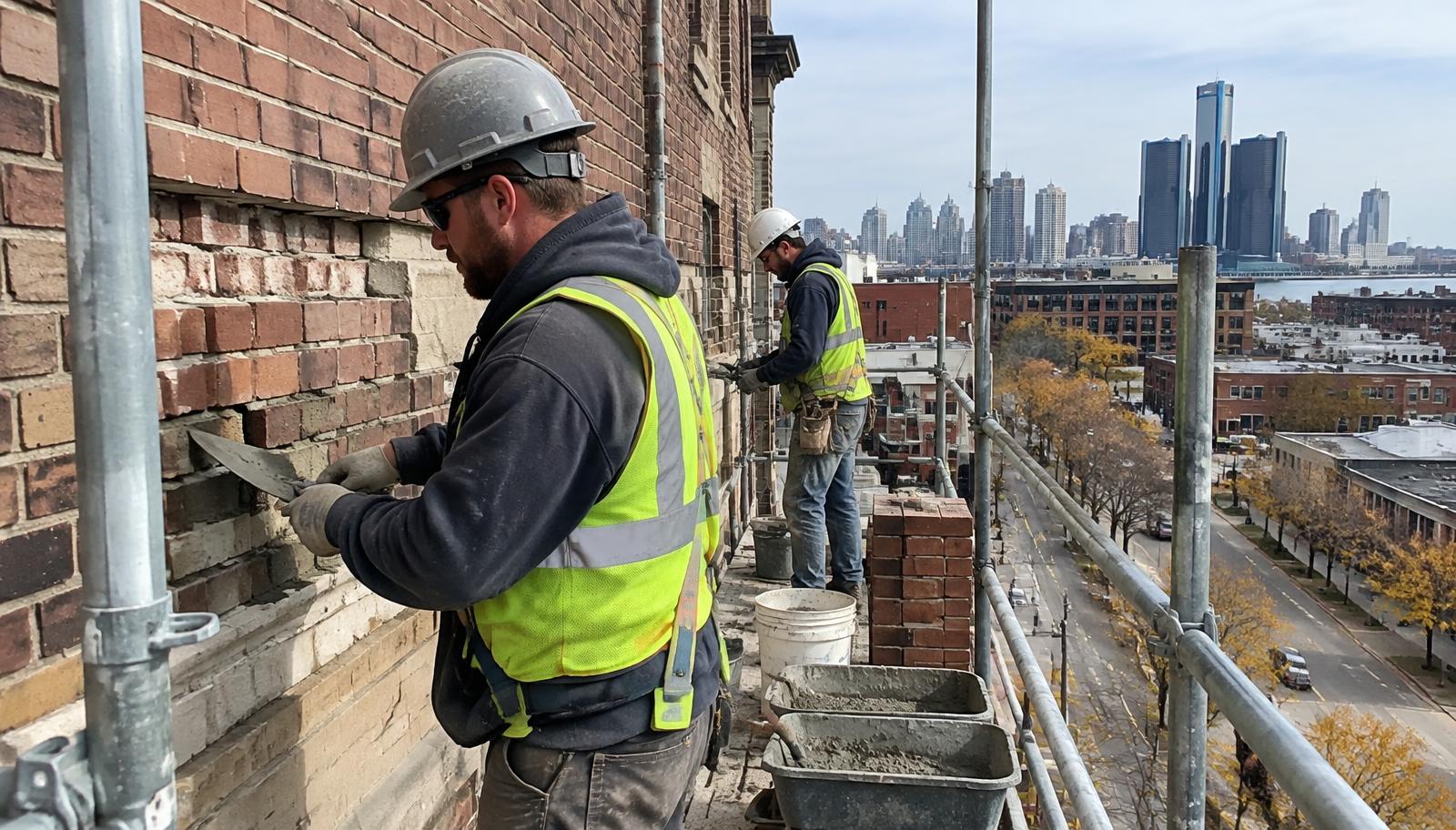
Commercial Masonry Across Metro Detroit
Lonik Contracting provides commercial masonry, brick repair, tuckpointing, concrete work, and facade restoration throughout Metro Detroit and Southeast Michigan.
If your building has deteriorating joints, cracked brick, or recurring water staining, a commercial masonry assessment can help prioritize repairs before winter conditions increase the damage.
Frequently Asked Questions
What are signs a commercial brick facade needs repair?
Cracked or missing mortar, loose or spalling brick, stair-step cracks, bulging sections, and recurring water stains are common signs that a facade should be inspected.
Can commercial brick repairs be completed in phases?
Yes. Larger buildings can often be prioritized by elevation, severity, access, or budget so the most urgent masonry problems are addressed first.
Is tuckpointing the same as replacing brick?
No. Tuckpointing replaces deteriorated mortar joints, while brick replacement removes and replaces individual masonry units that are too damaged to remain.
Need commercial masonry repair in Metro Detroit? Contact Lonik Contracting to schedule a free estimate and get a clear plan for your property.
[REQUEST A FREE ESTIMATE]