Why Fall Is a Smart Time to Check Your Mortar Joints
September brings cooler temperatures to Michigan, which makes it a useful time for homeowners to look closely at their exterior brickwork.
If mortar joints are cracked, recessed, or crumbling, leaving them exposed through another winter can allow moisture to penetrate deeper into the masonry.
Professional tuckpointing in Metro Detroit helps restore deteriorating mortar joints before freezing temperatures make existing damage worse.
What Happens to Cracked Mortar During Winter?
Mortar joints help keep brickwork stable while limiting moisture entry.
When cracks develop, rain and melting snow can enter those openings. During freezing weather, trapped water expands. Repeated freezing and thawing can widen cracks, loosen mortar, and eventually affect surrounding bricks.
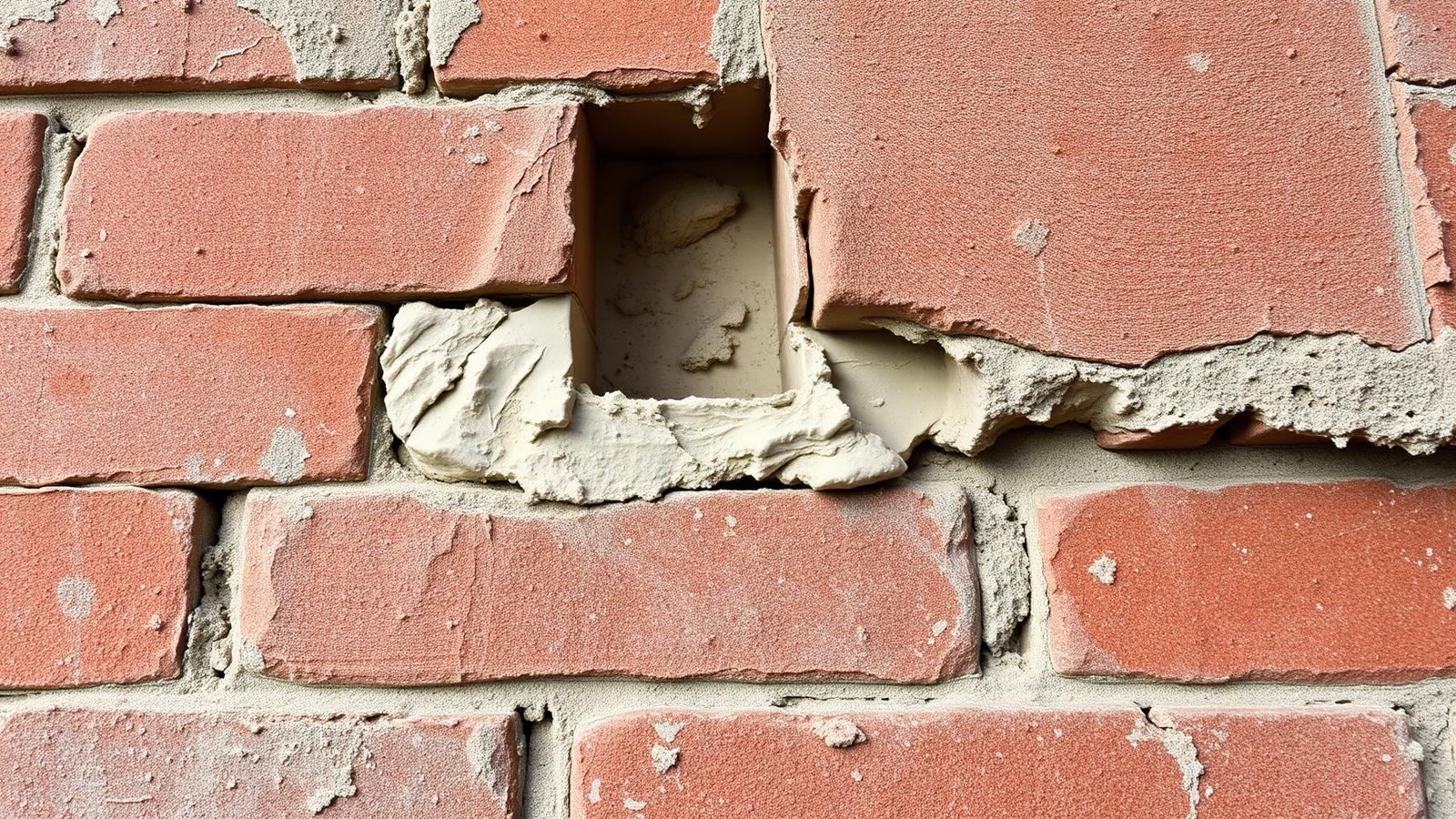
Where Should Homeowners Look?
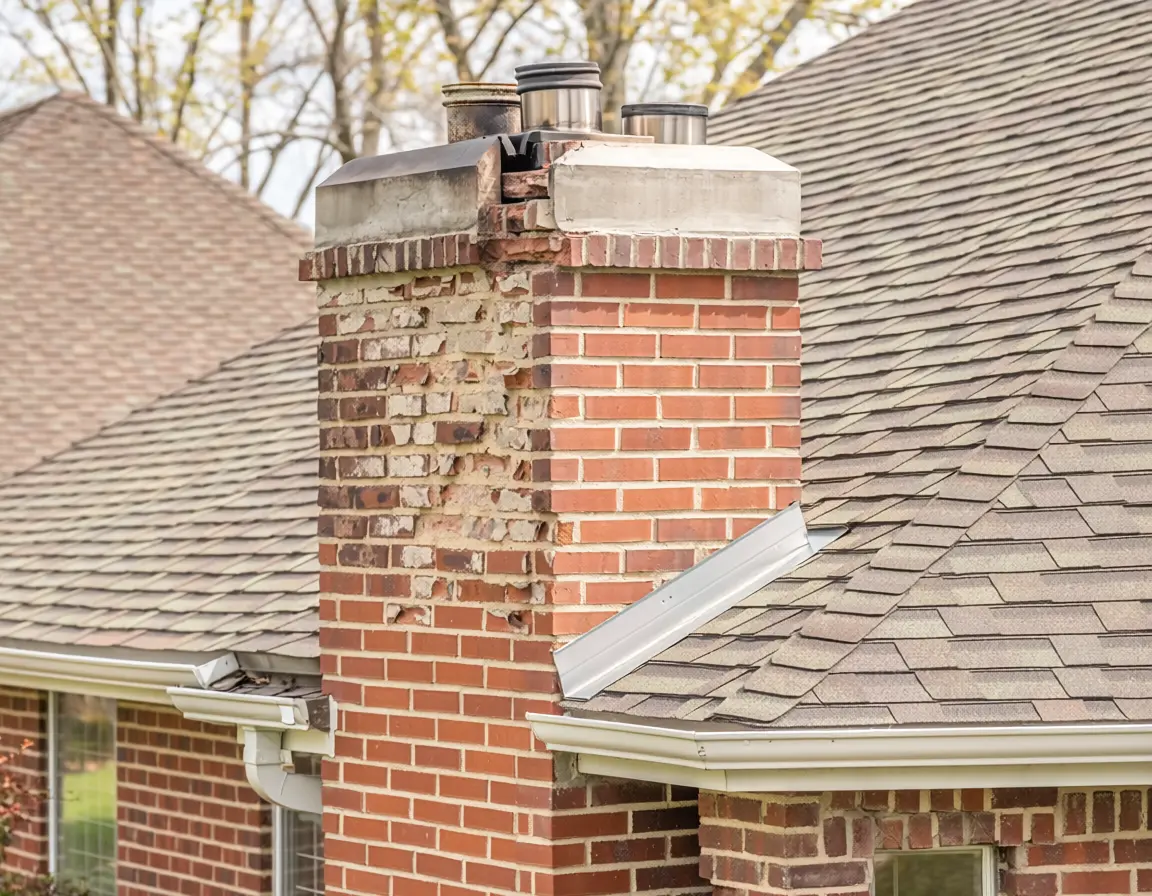
Pay special attention to chimneys, porch walls, exterior brick facades, steps, and areas near downspouts.
You may notice mortar that has become sandy, joints that appear deeper than surrounding areas, or sections where mortar has fallen out completely.
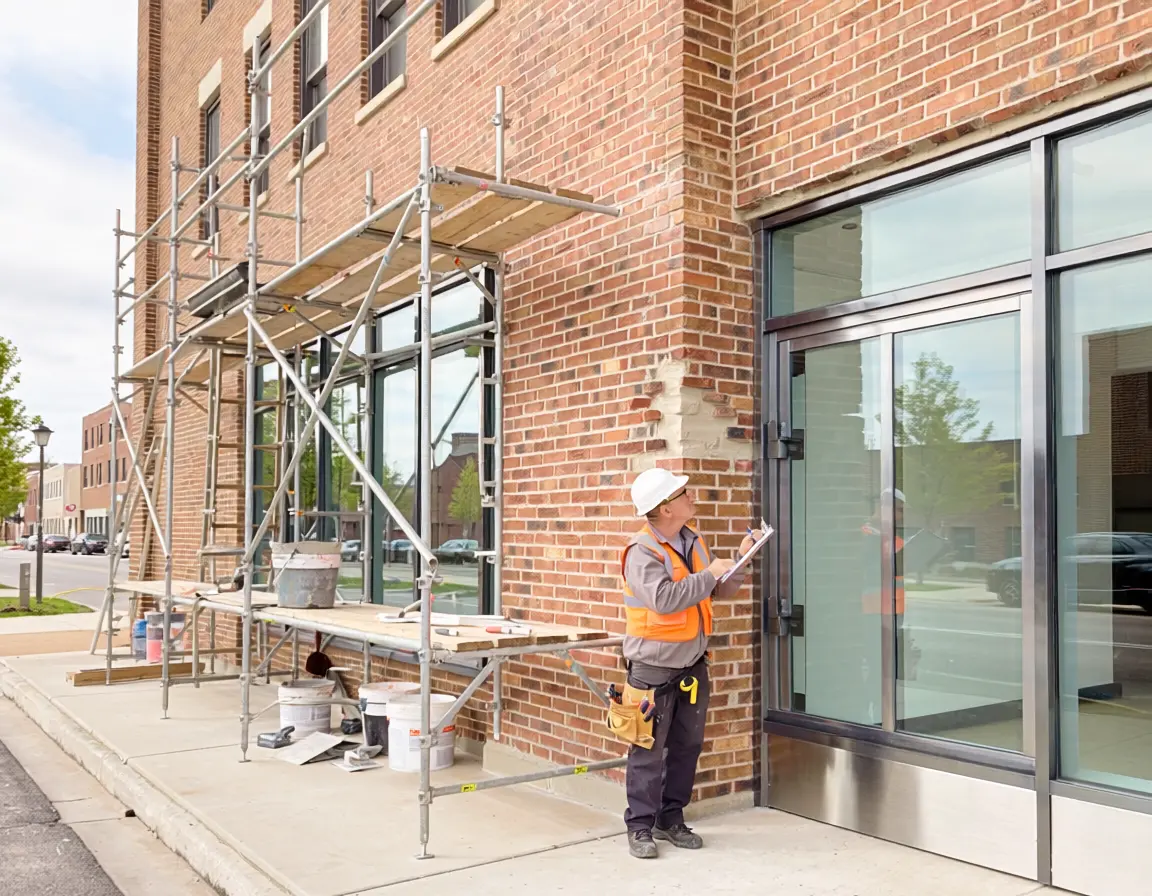
These signs indicate that the masonry may benefit from professional evaluation.
Tuckpointing Can Extend the Life of Brickwork
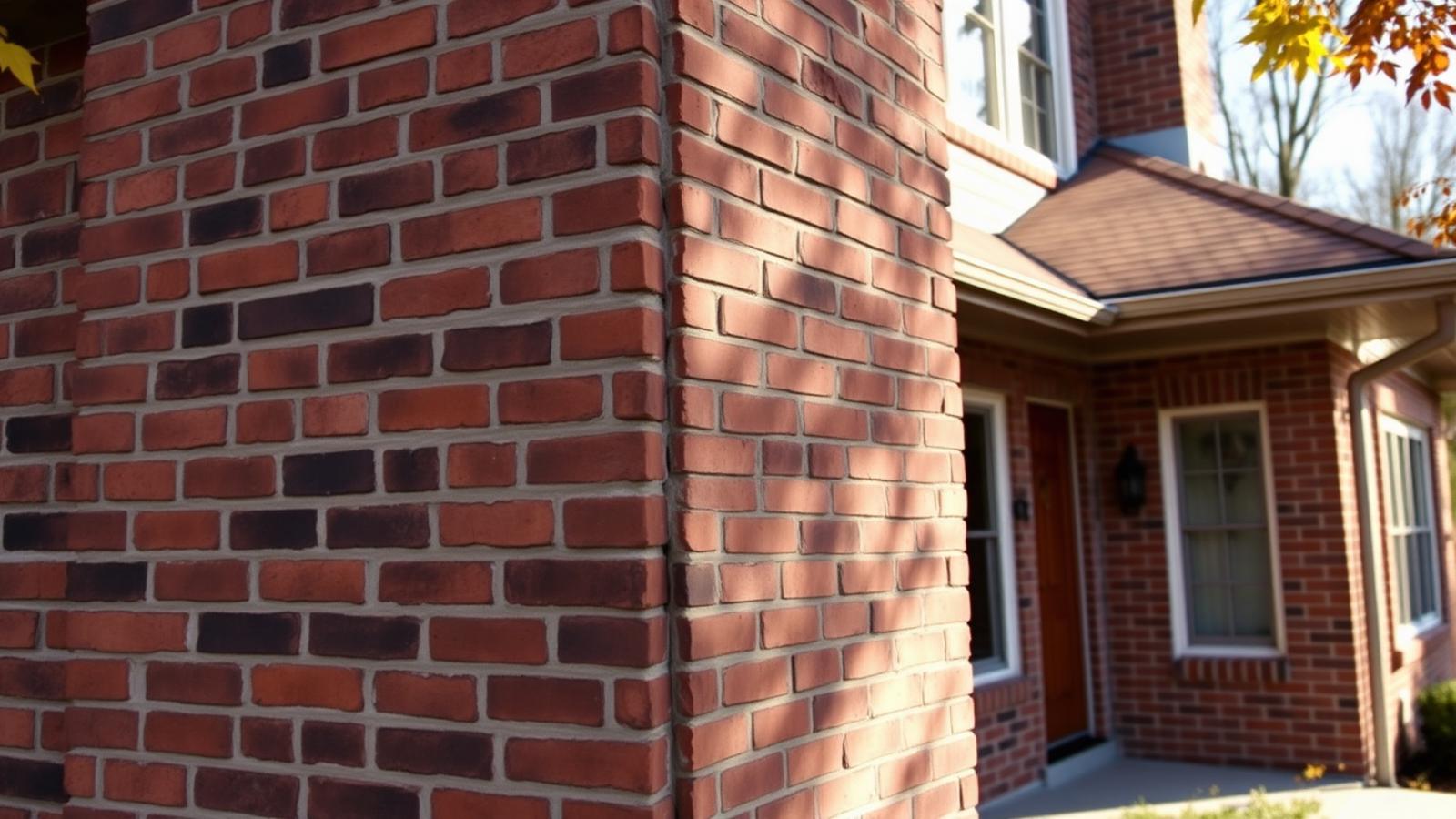
Tuckpointing involves removing deteriorated mortar and installing compatible replacement mortar.
The goal is not simply to improve appearance. Restoring the joints helps strengthen the masonry system and reduces openings where moisture can enter.
Lonik Contracting provides tuckpointing and mortar repair for brick chimneys, walls, porches, steps, and other masonry throughout Metro Detroit.
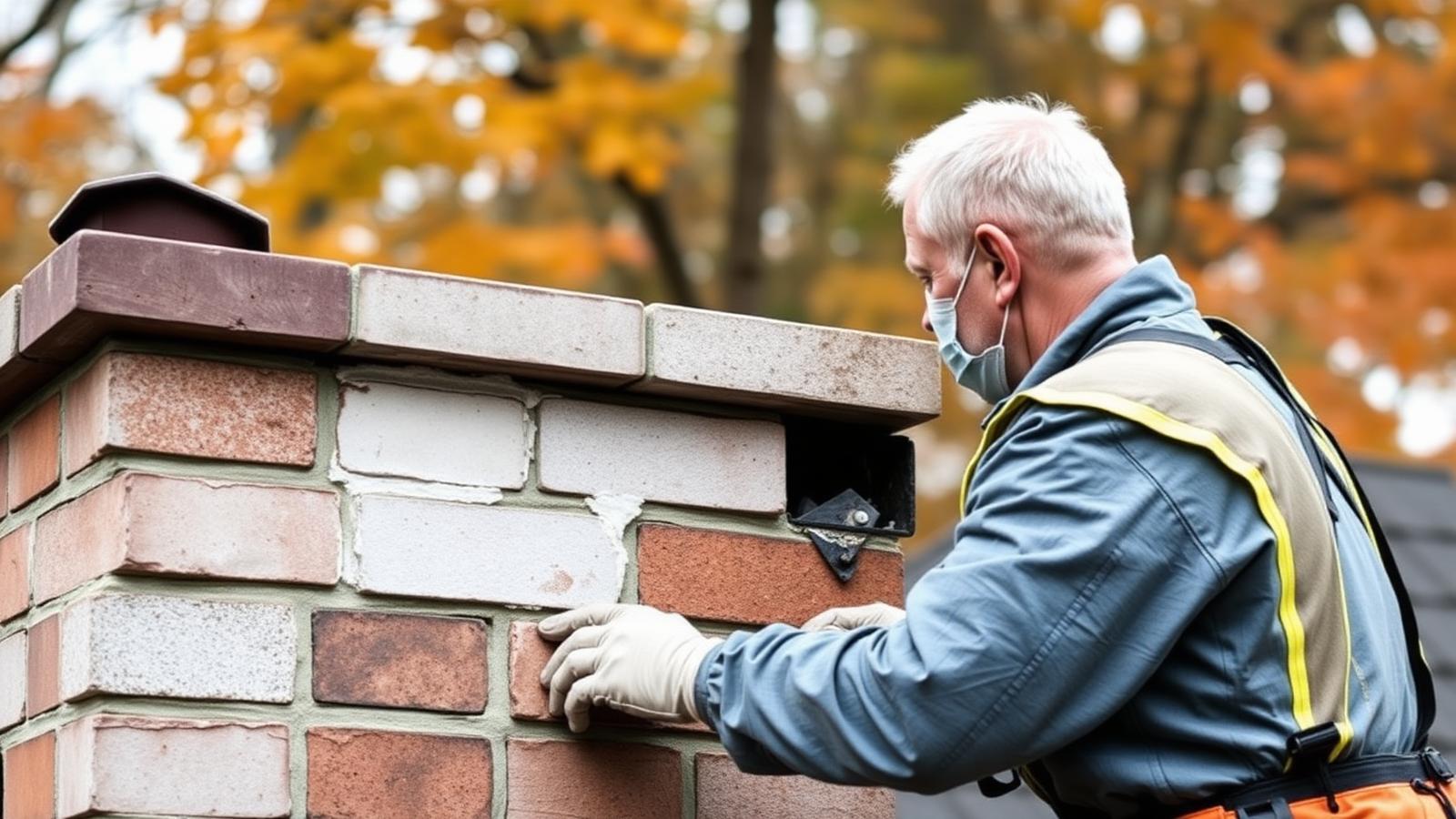
Get Ahead of Winter Damage
Homeowners in Troy, Royal Oak, Rochester Hills, Warren, Livonia, Southfield, Birmingham, Farmington Hills, and surrounding communities should consider addressing deteriorated mortar before another Michigan winter.
Get a free estimate for tuckpointing before freezing temperatures arrive.